

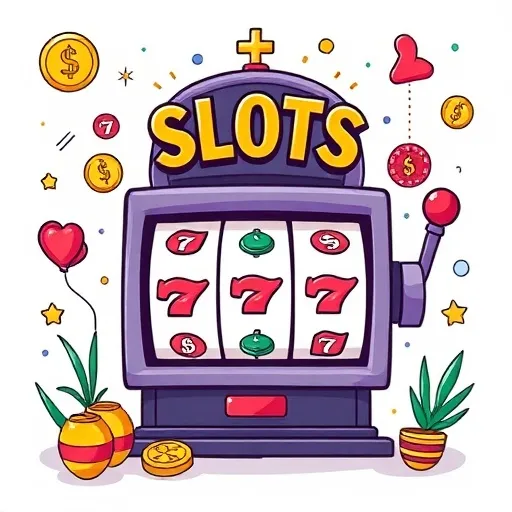
Guide to playing slo
What Exactly Is a Slot Game and How to Play Slots in 2026
So you want to know how to play slots? Great question, and honestly, it's way simpler than some folks make it sound. At its core, a slot game is a gambling machine — could be a physical one sitting in a casino, or a digital version you fire up on your phone. Either way, it shows you a set of reels packed with various symbols. You hit spin, those reels stop in random spots, and if certain symbol combos land on a payline, you win a payout. That's the basic version. But if you really want to master how to play slots in today's landscape, you're dealing with multi-layered bonus rounds, cascading reels, megaways mechanics, and interactive mini-games that can keep you glued to the screen for hours.
The core thrill hasn't budged since the earliest mechanical machines — it's that rush of uncertainty mixed with the possibility of a big reward. What has changed is the tech behind it all. Today's online slot games run on Random Number Generators (RNGs) that get independently audited to guarantee fairness. Some platforms even use blockchain-based verification, letting players confirm that each spin was genuinely random. Knowing how to play slots means understanding this layer of trust and transparency too — it's not just about pressing a button.
Choosing the Right Platform and Casino When You Learn How to Play Slots
Before you even think about spinning, you need to pick where you're going to play. You've got two main routes: physical casino venues and digital platforms. If you're going online, look for a licensed and regulated platform that operates legally in your jurisdiction. Check for certifications from independent testing agencies, read user reviews, and make sure the platform offers transparent payout percentages.
In 2026, tons of players prefer digital platforms because of convenience, higher return-to-player (RTP) rates, and the sheer variety of games available. A typical online casino might host thousands of titles from dozens of software providers, while a physical venue is limited by floor space. When you're figuring out how to play slots, your choice of platform matters more than most beginners realize.
Understanding Reels, Paylines, and Symbols Before You Play Slots
Traditional slots have three reels and one payline. Modern video slots can have five, six, or even seven reels with hundreds of paylines. Here's what you need to know before you dive into how to play slots:
- Reels: The vertical columns that spin. Each reel contains a set of symbols.
- Paylines: The invisible lines across the reels where winning combinations must land. Some games have fixed paylines; others let you choose how many to activate.
- Symbols: The icons on the reels. These include regular symbols, wilds (which substitute for others), scatters (which trigger bonuses), and special multiplier symbols.
Setting Your Bet: A Key Step in How to Play Slots
Every slot game lets you choose your bet size. This is usually expressed as a coin value multiplied by the number of paylines or a fixed bet per spin. Your total bet per spin is what matters for your bankroll management. A common beginner mistake is betting too high relative to their budget. A good rule of thumb when learning how to play slots: never bet more than 1-2% of your total gaming budget on a single spin.
Spinning the Reels and Collecting Winnings
This is the fun part. Hit the spin button (or pull the lever if you're on a mechanical machine), and watch the reels go. If winning symbols align on an active payline, you'll receive a payout based on the game's paytable. Many modern games also offer autoplay features, allowing you to set a fixed number of automatic spins — just make sure you set limits before activating it. When you're ready to cash out, follow the platform's withdrawal process. On reputable online platforms, this usually involves verifying your identity and choosing a withdrawal method. Processing times vary, but many modern platforms offer near-instant withdrawals for verified users.
Understanding Slot Volatility and RTP for Smarter Play
These two terms are crucial for anyone serious about learning how to play slots intelligently.
RTP (Return to Player) Explained
RTP is a percentage that represents how much of all wagered money a slot game is programmed to pay back to players over time. For example, a slot with a 96% RTP will theoretically return $96 for every $100 wagered — though this is calculated over millions of spins, not individual sessions. In 2026, most quality online slots have RTPs between 94% and 97%. Always check this number before playing; it's usually listed in the game's information panel.
Volatility (Variance) and Its Impact on How to Play Slots
Volatility describes how often and how much a slot pays out:
- Low volatility: Frequent but smaller wins. Great for players who want longer play sessions with steady entertainment.
- Medium volatility: A balance between frequency and payout size.
- High volatility: Rare wins, but potentially massive payouts. Suited for players with larger bankrolls who can weather dry spells.
Understanding volatility helps you match games to your playing style and budget. If you have a limited bankroll, low-volatility games will keep you in the action longer. If you're chasing a big score and can afford the risk, high-volatility titles might be more appealing. Either way, how to play slots effectively comes down to knowing what you're getting into.
Types of Slot Games in 2026: Classic, Video, Progressive, and Megaways
Classic Slots and Video Slots
Classic slots are the descendants of the original mechanical machines — three reels, simple symbols (fruits, bars, sevens), and straightforward gameplay. They're perfect for beginners who want to learn how to play slots without overwhelming features. Video slots, on the other hand, are the most popular category today. They feature five or more reels, rich graphics, animated sequences, soundtracks, and complex bonus features. They often include storylines or themed adventures that make the experience feel more like a game than a traditional gambling session.
Progressive Jackpot Slots and Megaways Mechanics
Progressive jackpot slots link multiple machines or platforms together, with a portion of every bet contributing to a growing jackpot. The prize can reach life-changing amounts. The trade-off is that the base game RTP is often slightly lower to fund the jackpot. Then you've got Megaways and cluster pays — innovative mechanics that have gained massive popularity. Megaways titles can have over 100,000 ways to win, with changing symbols on every spin. Cluster pays games do away with paylines entirely, rewarding you for landing groups of matching symbols anywhere on the grid. Learning how to play slots across these different formats keeps things fresh and exciting.
Smart Strategies for Playing Slots
Let's be clear: slots are games of chance. No strategy can guarantee a win. However, smart play can help you manage your money better and extend your entertainment value.
Set a Budget and Choose High RTP Games
Decide before you start how much you're willing to spend — and treat it as entertainment expense, not an investment. Never chase losses. If you've hit your limit, stop. Over time, games with higher RTPs are mathematically better for players. A 97% RTP game gives you a better theoretical return than a 92% one. It won't matter in a single session, but it adds up over many sessions. This is arguably the most important lesson in how to play slots responsibly.
Take Advantage of Bonuses and Free Play Modes
Many platforms offer welcome bonuses, free spins, and loyalty rewards. These can significantly boost your playing time. Just read the terms carefully — wagering requirements vary, and some bonuses are more player-friendly than others. Most online slots offer a demo mode where you can play with virtual credits. This is an excellent way to learn a game's mechanics, test its volatility, and decide if it suits your style before spending real money. If you're new to how to play slots, free play modes are your best friend.
Know When to Walk Away and Avoid Common Mistakes
If you're on a winning streak, consider setting a profit target. If you hit it, cash out. Likewise, if you've lost a predetermined amount, stop. Discipline is the most valuable skill a slot player can develop. And watch out for these pitfalls:
- Believing in "hot" or "cold" machines: Each spin is independent. A machine that hasn't paid out recently isn't "due" for a win.
- Ignoring the paytable: Different symbols have different values, and understanding the paytable helps you know what you're aiming for.
- Playing without a budget: Without a clear limit, it's easy to spend more than intended.
- Chasing losses: Increasing your bet to recover losses is one of the fastest ways to deplete your bankroll.
- Neglecting responsible gaming tools: Most platforms offer deposit limits, session timers, and self-exclusion options. Use them if you need them.
Technology and Responsible Gaming in Modern Slots
In 2026, technology has transformed slots in ways that were unimaginable just a decade ago. AI-driven personalization now helps platforms recommend games based on your preferences and playing history. Virtual and augmented reality has created immersive VR slot experiences. Mobile-first design means the majority of slot play happens on smartphones and tablets. Blockchain and provable fairness provide transparent, verifiable randomness. And skill-based hybrid slots blend traditional mechanics with skill elements. No matter which format you choose, how to play slots always starts with understanding the technology behind the reels.
Slots are entertainment. They should never be a source of stress, financial strain, or emotional distress. In 2026, the industry has made significant strides in promoting responsible gaming practices. Regulators require platforms to display RTP information, offer self-control tools, and provide resources for players who may be developing problematic habits. If you ever feel like your playing is getting out of hand, take a break. Most platforms allow you to set temporary or permanent limits on your account. There's no shame in using these tools — they exist to protect you.
Frequently Asked Questions About How to Play Slots
Are slots truly random and fair?
Yes. Reputable slot games use certified Random Number Generators that have been tested by independent auditing firms. Each spin is independent of the previous one.
Can I play slots for free and what's the best time to play?
Absolutely. Most online platforms offer demo versions of their slot games where you can play without spending real money. It's a great way to learn how to play slots. As for timing — there's no "best" time in terms of winning. Randomness doesn't follow schedules. However, playing when you're relaxed and within your budget is always the best approach.
How do I know if a slot game is fair?
Look for games from established software providers and platforms that display certifications from independent testing agencies. Transparency about RTP and game mechanics is a good sign.
Learning how to play slots is straightforward, but playing them well — with discipline, awareness, and a focus on entertainment — takes a bit of practice. In 2026, the slot world is more diverse and technologically advanced than ever. Whether you're drawn to classic three-reel games, immersive video slots, or innovative megaways titles, there's something for every type of player. Remember the fundamentals: set a budget, understand the game's RTP and volatility, take advantage of bonuses, and never chase losses. Treat slots as what they are — a form of entertainment — and you'll enjoy the experience without compromising your financial well-being. The reels are waiting. Spin responsibly, and have fun.